

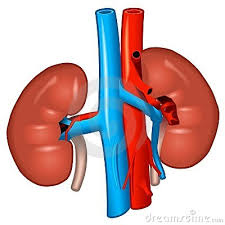
 Kidney disease does not get the attention or concern that heart diseases or cancers get. Even when it is not fatal, the cost of treating end-stage kidney disease through dialysis or a transplant is enormous. Data from the chief minister’s health insurance scheme, which covers more than 1.5 crore families in the state, shows renal dialysis as the most-opted procedure by policyholders although the cost of giving a heart patient a stent is several times higher.
Between January 2012 and May 2016, only 7% of the total number of procedures were for treatment of heart diseases. But, they took away a quarter of the money spent. But more than nearly 15% of procedures were dialysis, done at a cost of Rs 169.72crore. The charges do not include the inestimable costs to quality of life among patients with advanced kidney disease In addition to dialysis, more than 60,000 people have opted for treatment of kidney stones and renal transplant, pushing up the total expenditure on kidney diseases to nearly 10%. Data from the government insurance scheme are not very different from those got from private health insurance firms such as Star health, ICICI or Bajaj Health.
“Although it’s expensive, a claim made for treatment for heart diseases in most cases is one-time. But for end-stage kidney disease people come in periodically, at least twice a week, for dialysis,” said Dr Prakash, medical director, Star health Insurance.
At least 3,000 people in the state have been waitlisted for kidney transplant with the state cadaver transplant registry. People with end-stage renal diseases can live for several years with regular dialysis, medical and lifestyle management.
Doctors say people at risk must be tested periodically, as they are unlikely to know they have kidney disease. On most occasions, compromised kidney function is not diagnosed until a blood pressure crisis lands them in the emergency room.
Specialists say kidney disease is not on the medical radar, and in as much as three-fourths of patients with risk factors for poor kidney function, physicians fail to use a simple, inexpensive test to check for urinary protein. “Sometimes tell-tale symptoms are ignored,” Dr Ravichandran said.